Professor Promotion
We are delighted to share that Professor Po-Chih Kuo has been promoted from Assistant Professor to Associate Professor.
AI systems for clinically meaningful healthcare applications.
Trustworthy learning from medical images, signals, and records.
Human-centered interfaces guided by cognition and neural feedback.

The Human-Centered Machine Intelligence Lab was established on July 1, 2020 in the Department of Computer Science at National Tsing Hua University, Taiwan.
Our research spans neuroimaging, computational neuroscience, medical AI, and human-centered intelligent systems. We study how the human brain encodes information and how machine intelligence can be designed to better support people.
We aim to develop trustworthy, explainable, and practical AI technologies that augment human capability rather than replace it.
We combine human-centered design, machine learning, and neuroscience to build reliable and impactful intelligent systems.
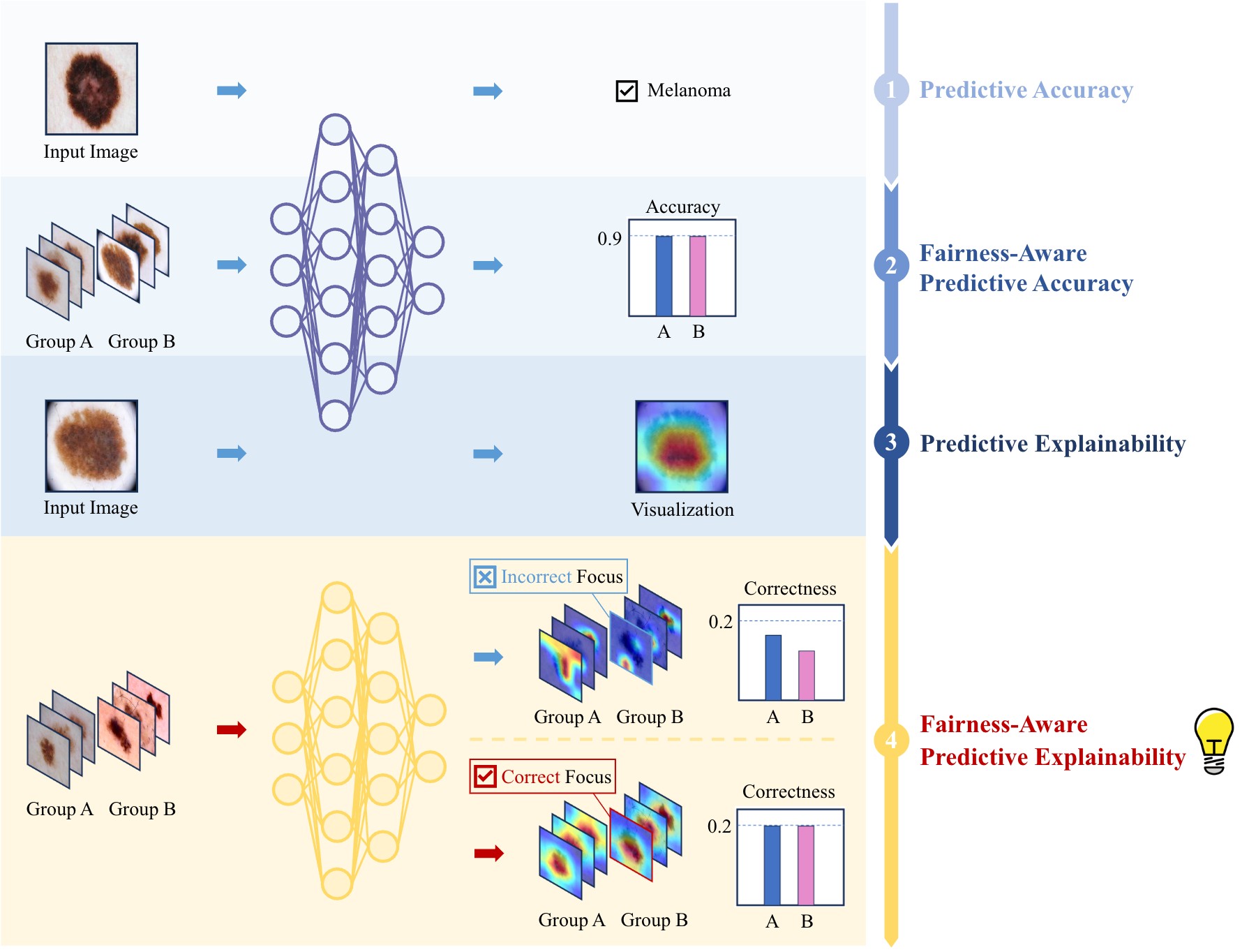
Medical AI
We develop fair, robust, and explainable medical AI, uncovering hidden shortcuts and overconfident failures, and closing performance gaps across patient groups with diffusion-synthesized data and self-supervised learning.
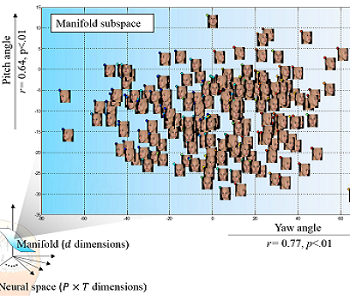
Neuroscience
We investigate how the brain encodes information and decode neural activity from EEG, MEG, and fMRI, including brain-computer interfaces for imagery and speech.
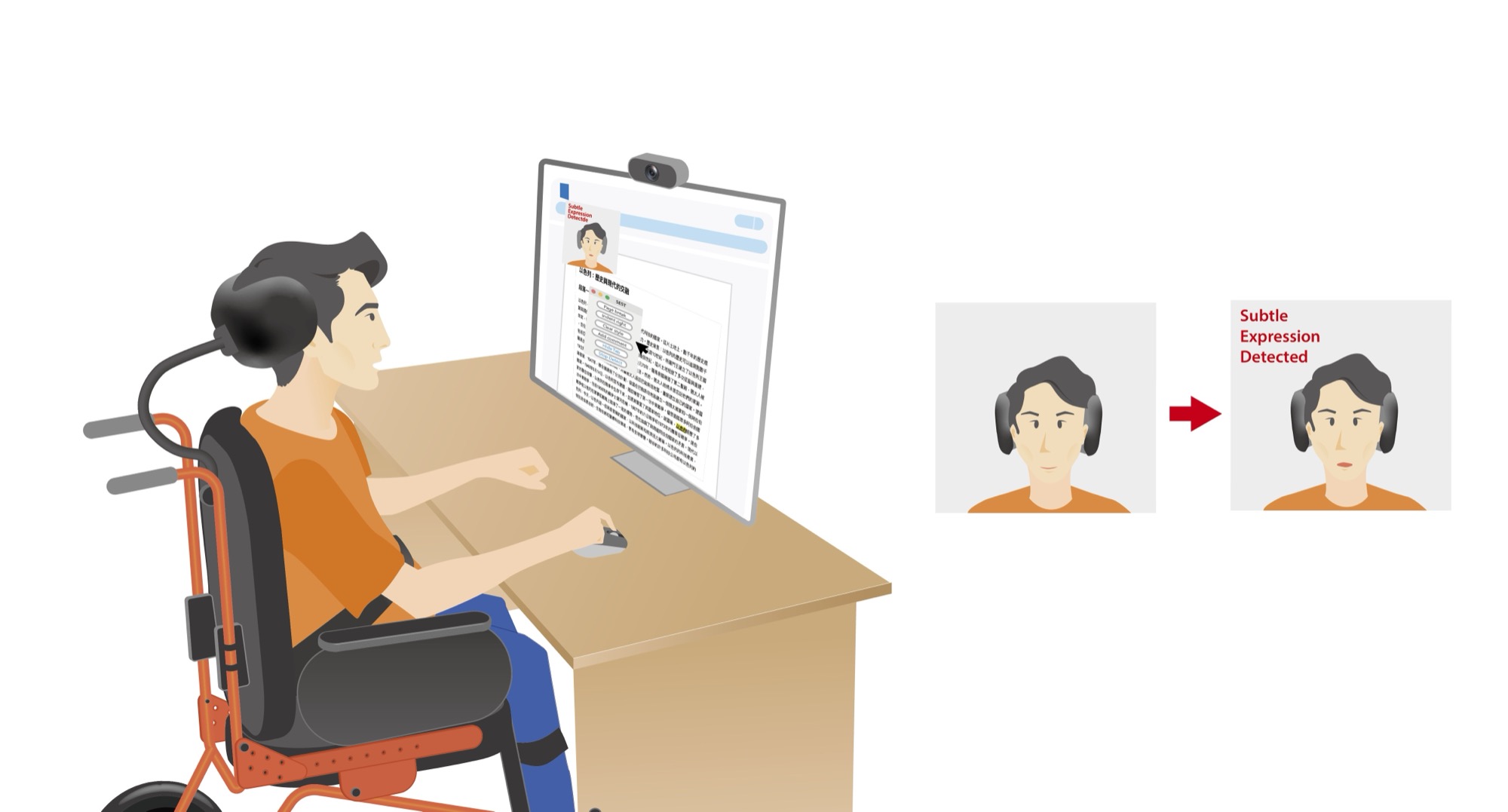
HCI
We design adaptive interfaces guided by neural and physiological feedback, from expression-aware assistive systems and scent experiences to AI co-design tools for architecture and interiors.
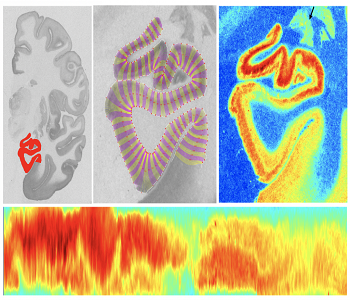
Comp. Neuro
We develop statistical and computational approaches for brain modeling, representation analysis, and neurobiologically informed machine learning, including aligning deep networks with brain activity to reveal their biases.
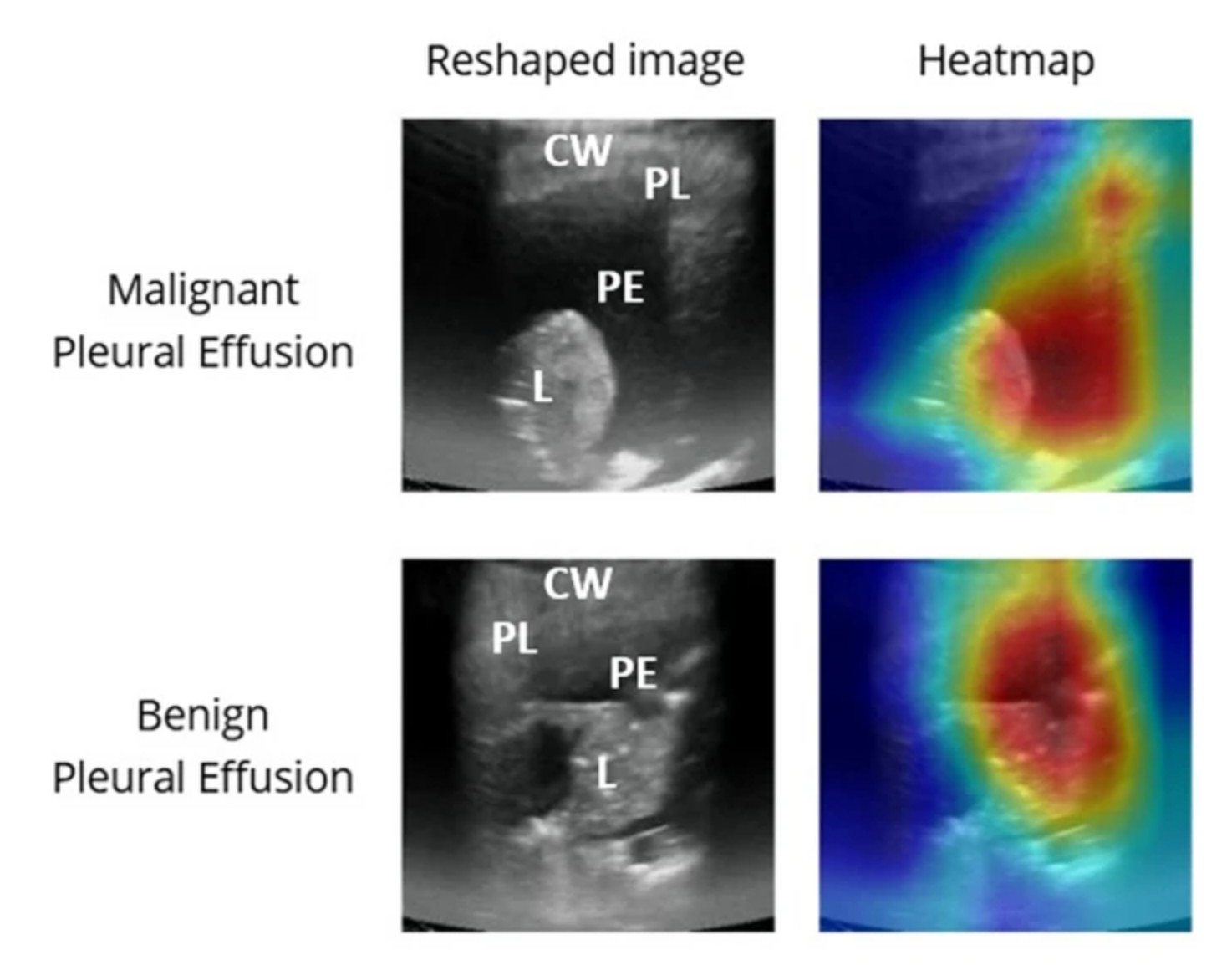
Computer Vision
We apply vision transformers, segmentation networks, and medical foundation models to chest X-ray, CT, ultrasound, and echocardiography, with multicenter validation and methods for long-tailed and few-shot learning.
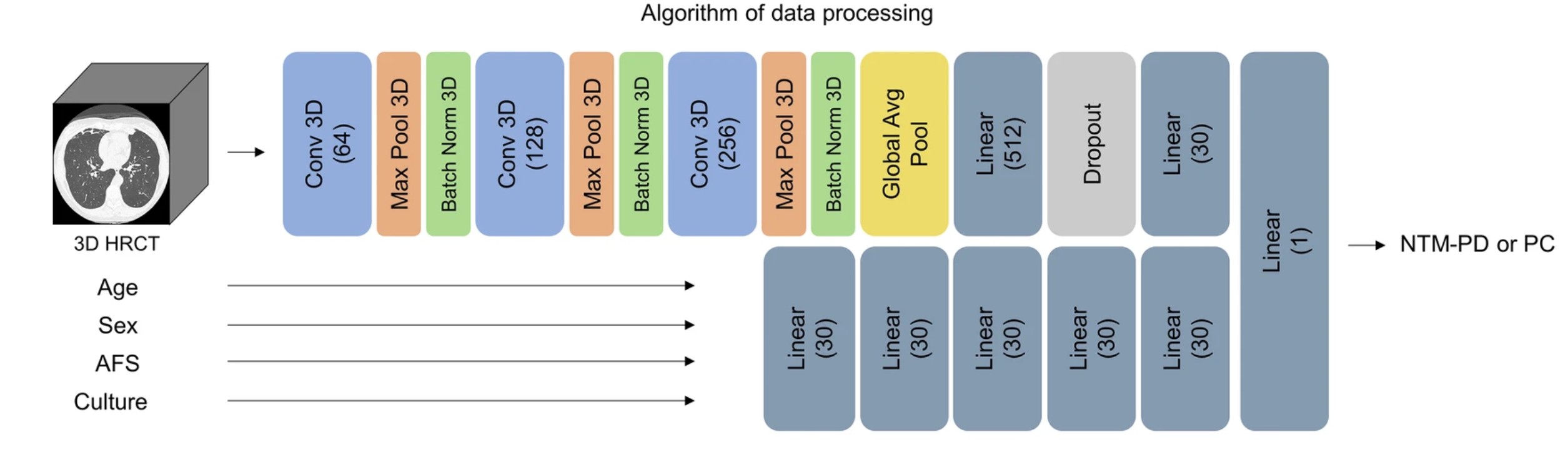
Clinical Informatics
We fuse medical images, clinical records, and public health data, from predicting cardiac arrest in the ICU and distinguishing heart failure subtypes to linking satellite imagery with population health.
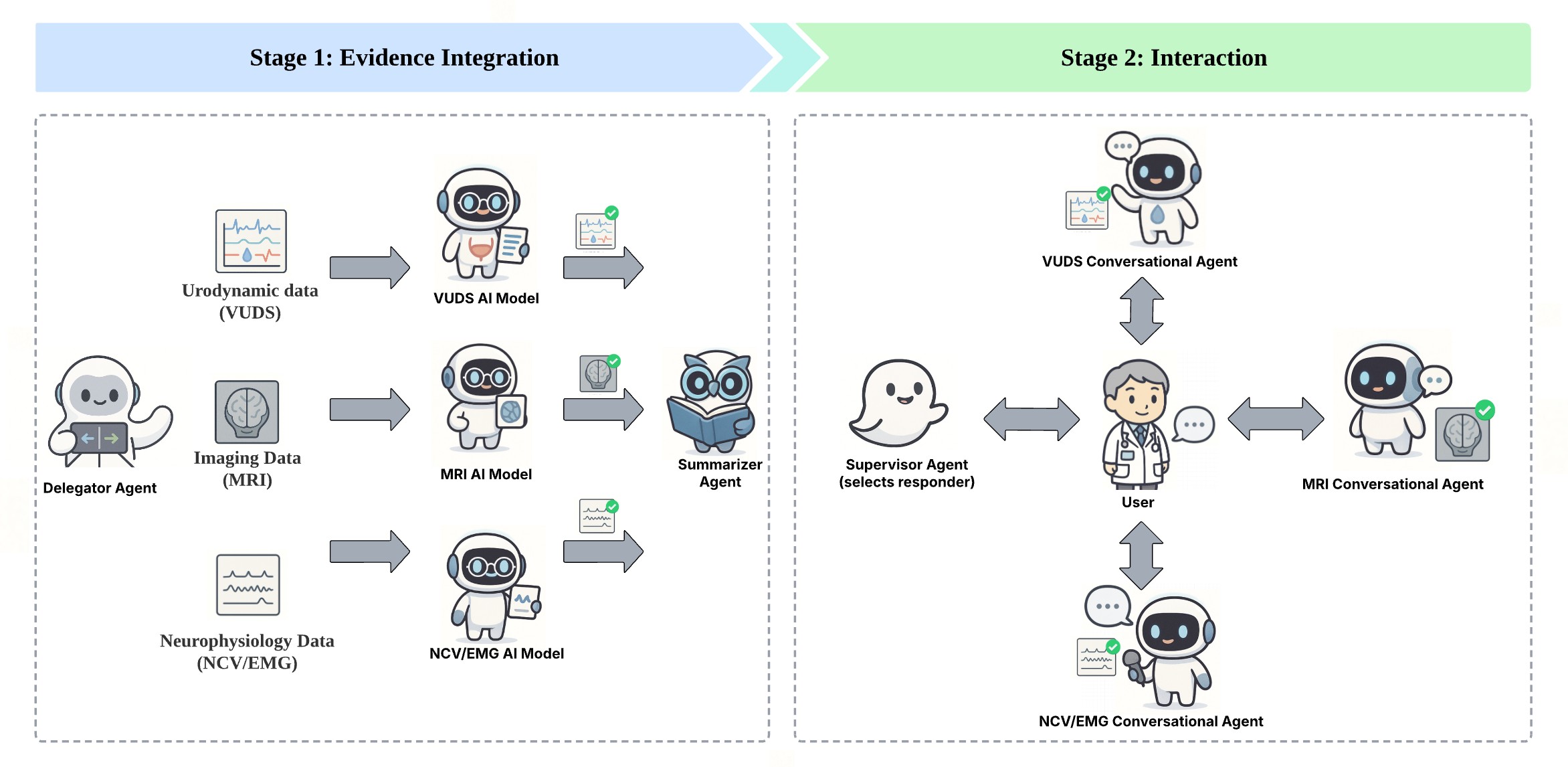
Decision Support
We design reinforcement-learning doctor agents for ICU ventilator management and multi-agent workflows that help clinicians make sense of multimodal patient data.
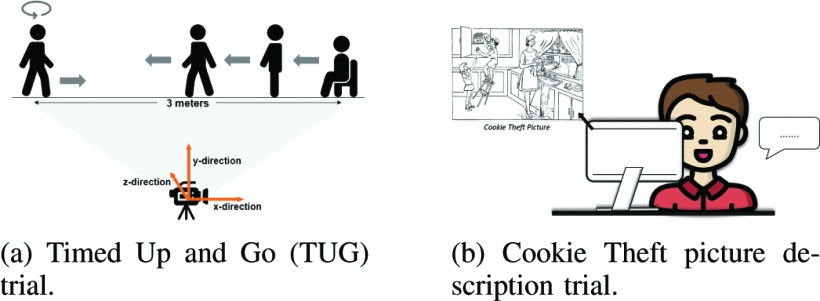
Digital Health
We detect early dementia with transformer-based speech and language models, video behavior analysis, and eye tracking, across languages including Mandarin.
A year-by-year archive of lab milestones, conferences, graduations, and gatherings.
Taichung Veterans General Hospital
HITI Lab

Laboratory for Computational Physiology
Functional Neuroimaging Lab

Research Centre Jülich
Brain Mapping Lab

Taipei Medical University

Institute of Statistical Mathematics
Swartz Center for Computational Neuroscience

Institute for Information Industry

NTU Hospital Hsinchu Branch
Highlights from our lab, including awards, publications, recognitions, and research updates.
We are delighted to share that Professor Po-Chih Kuo has been promoted from Assistant Professor to Associate Professor.
Chao-Jo Chen received the Outstanding Student Paper Award at the Annual Symposium of the Taiwanese Society of Biomedical Engineering Project Report organized by the National Science and Technology Council, Taiwan.
Chien-Hui Su received a silver medal in the EECS project competition for the project “Human-Machine Co-Creation: Generating Imaginative Paintings from EEG Brain Activity.”
View announcementOur team’s research on AI and race recognition was featured in NTHU News.
Read more王瑞恩榮獲科技部 110 年度大專學生研究計畫創作獎。
Kuan-Ting Kuo, Ryan Wang, and Li-Ching Chen won Second Runner-up in the Singapore Healthcare AI Datathon 2021.
View resultsOur paper “A brain-sensing fragrance diffuser for mental state regulation using electroencephalography” was accepted for presentation at IEEE International Conference on Human-Machine Systems 2021.
Ryan Wang and Li-Ching Chen received the 2021 MOST Undergraduate Project award.
Chien-Hung’s team won second place in the TSECC Datathon.
Li-Ching’s team won first place in the TSECC Datathon.
“Learning Style Classifying Cap” presented by Li-Ming won Honorable Mention at EDUTHON 2020.
Human-Centered Machine Intelligence Lab
Department of Computer Science
National Tsing Hua University
Delta Building, Department of EECS, No. 101, Sec. 2, Kuang-Fu Road, Hsinchu City 30013, Taiwan